

Teachers across Jamaican classrooms demonstrate remarkable commitment to plan lessons, manage behaviour, cover curricula, and prepare students for assessments. Yet, a critical instructional distinction deserves reflection: a classroom may appear orderly, busy, and engaged while meaningful learning remains cognitively shallow. Activity is visible. Depth of learning is not.

A classroom may appear orderly, busy, and engaged while meaningful learning remains cognitively shallow. Activity is visible. Depth of learning is not.
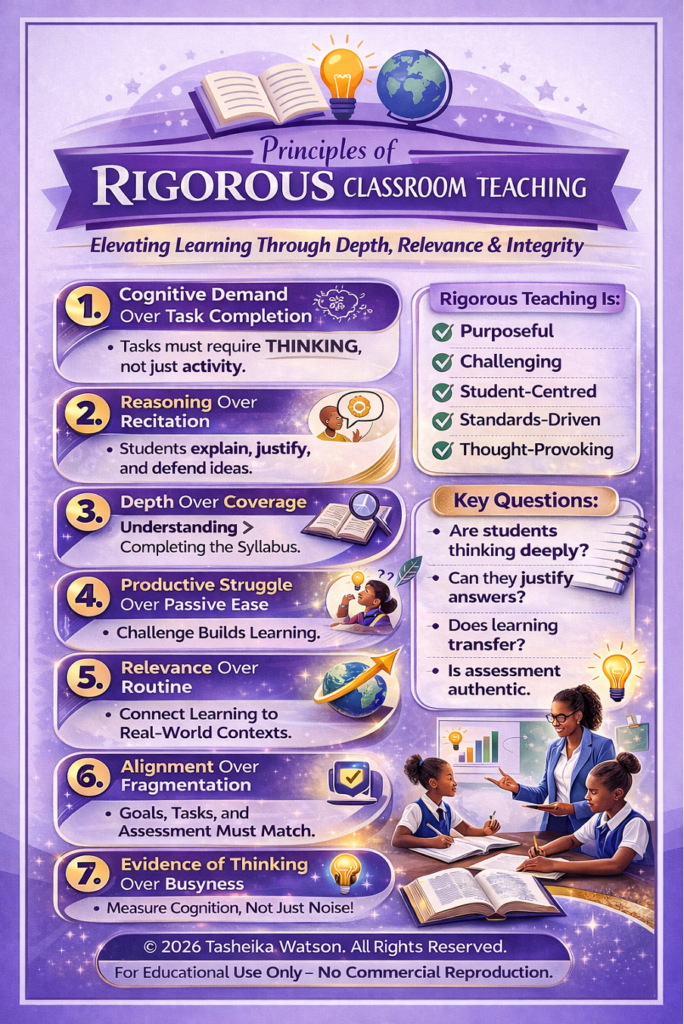
This distinction lies at the centre of an important pedagogical concern, when classroom teaching becomes rhetorical rather than rigorous.
Rhetorical teaching does not imply poor teaching. It often reflects structured, well-managed lessons that meet procedural expectations. However, it prioritizes the performance of instruction over the intellectual substance of learning.
Understanding Rigour in Classroom Practice
Rigour is widely misinterpreted in educational discourse. It does not mean:
• More worksheets
• Faster pacing
• Excessive difficulty
• Heavier workload
Rigour refers to the quality of thinking demanded of learners.
Rigour refers to the quality of thinking demanded of learners.
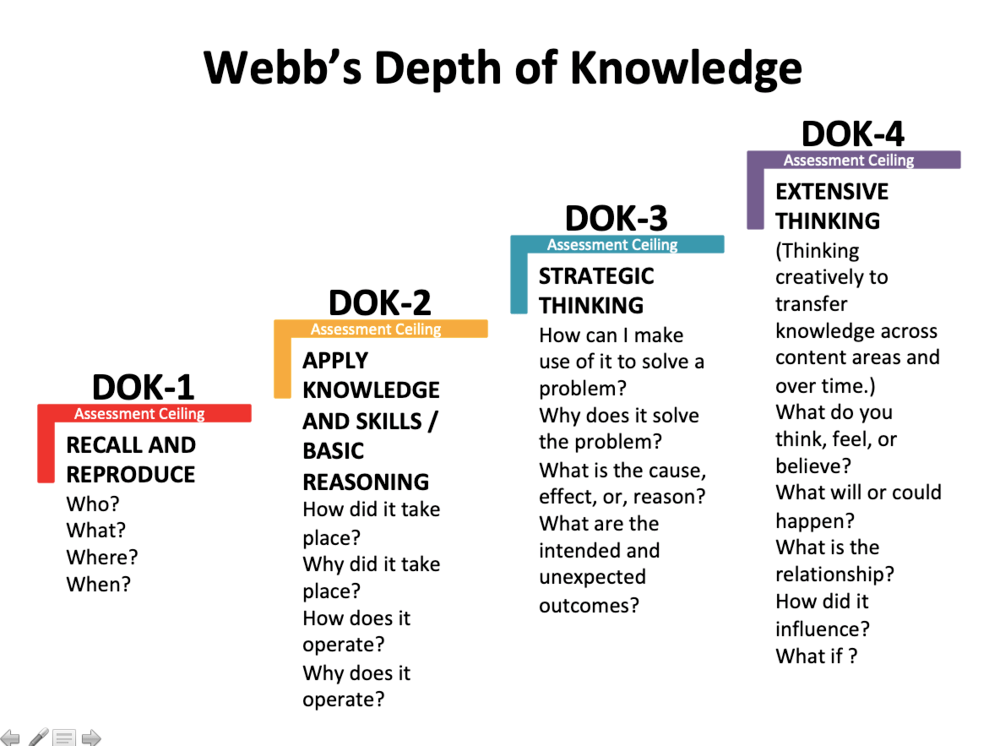
A rigorous classroom requires students to interpret, analyse, justify, construct meaning, and transfer knowledge beyond immediate contexts. Difficulty alone does not ensure rigour. As Depth of Knowledge research clarifies, complexity of thought; not task hardness, defines true cognitive demand.
Theoretical Foundations of Rigorous Learning
Learning theory consistently emphasizes active cognition:
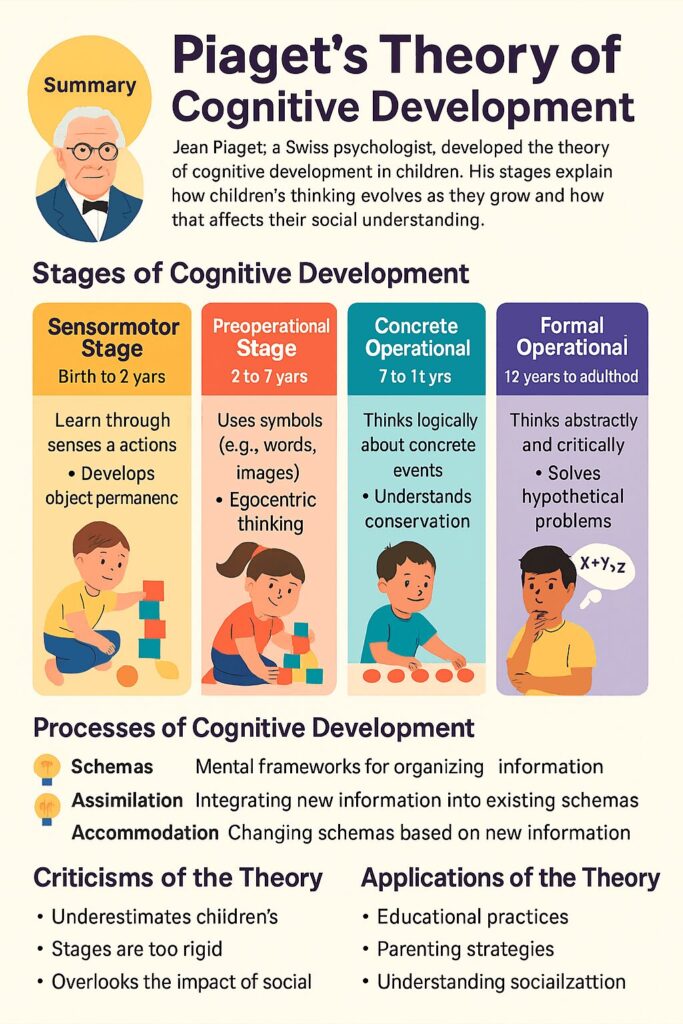
- Piaget highlights mental restructuring as the engine of learning.
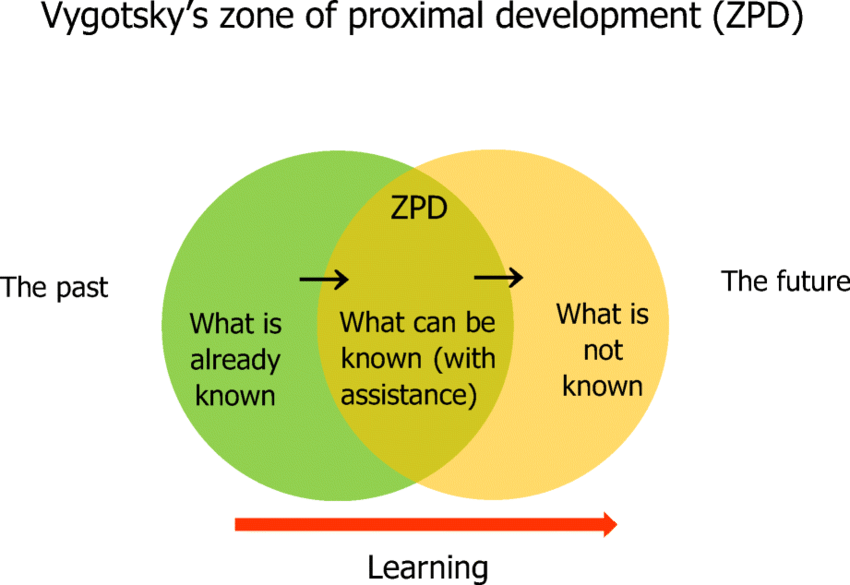
- Vygotsky’s Zone of Proximal Development stresses optimal challenge.
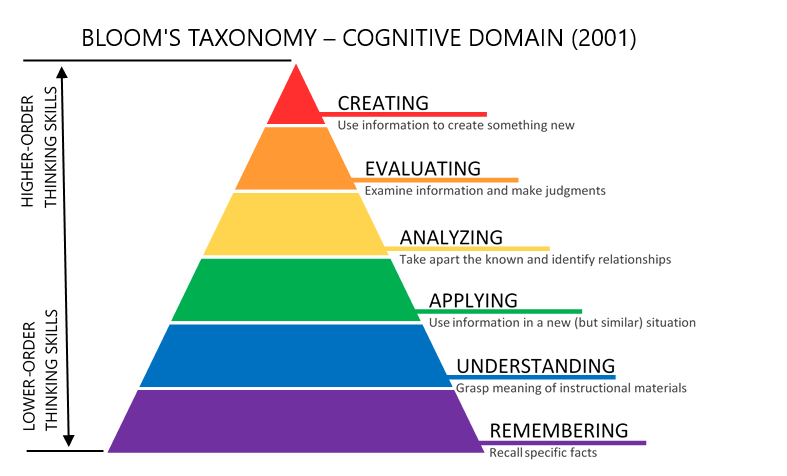
- Bloom’s Cognitive Process Framework underscores higher-order thinking.
- Hattie’s Visible Learning Research warns against surface illusions.
These perspectives converge on a shared principle:
| Students develop thinking by engaging in thinking, not observing activity. |
Students develop thinking by engaging in thinking, not observing activity.
When Teaching Slips into Rhetoric
Instructional rhetoric often appears through familiar patterns:
• Task completion without reasoning
• Correct answers lacking explanation
• Excessive teacher talk
• Over-scaffolded learning
• Recall-heavy questioning
• Coverage mistaken for mastery
The essential diagnostic question becomes:
Are students thinking deeply, or merely staying busy?
Are students thinking deeply, or merely staying busy?
Relevance and integrity in rigorous classrooms
Rigour must coexist with relevance. Learners invest cognitively when knowledge feels purposeful and connected. Relevance situates thinking within authentic contexts without diluting standards.
Rigour must coexist with relevance. Learners invest cognitively when knowledge feels purposeful and connected. Relevance situates thinking within authentic contexts without diluting standards.
Integrity, meanwhile, protects alignment between objectives, instruction, and assessment. It resists the illusion of coverage and demands honest evidence of understanding.
Instructional shifts that strengthen rigour
Practical classroom adjustments can significantly elevate cognitive demand:
✔ Replace recall-only questions with reasoning prompts
✔ Require justification of answers
✔ Encourage comparison and explanation
✔ Introduce productive struggle
✔ Promote error analysis
✔ Prioritize depth over pace
For example:
Instead of “What is the main idea?”
Ask “How can you defend your choice of the main idea?”
Rigorous teaching is not defined by classroom quietness, activity volume, or lesson smoothness. It is defined by the intellectual work required of learners.
Rigour is a cognitive condition.
Relevance is a motivational bridge.
Integrity is a professional obligation.
Together, they shape teaching that genuinely advances student thinking.
Tasheika Watson is an educator, researcher and PhD Candidate who is dedicated to advancing literacy, teacher development, and educational leadership.